

Yep, it’s really that simple. There’s a reason why the waterfall approach is a mainstay of web design: it works. After 15+ years of building WordPress websites, I have my process down to a science.


I’m Daniel Quinn—a technical lead, digital strategist, freelance WordPress developer, and former copywriter with a background in communications. For 15+ years, I’ve helped digital agencies, startups, and nonprofits all over the world build digital platforms that reinvent their business.

Pure Storage’s new WordPress theme gives site editors fine-tuned control over product marketing efforts.
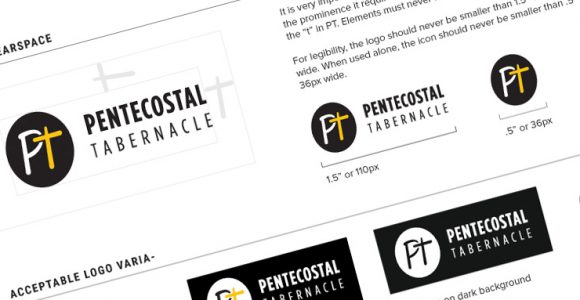
Pentecostal Tabernacle contacted me to undertake a redesign of the organization’s website, which included a full rebranding of their web presence, print materials, and outdoor signage.
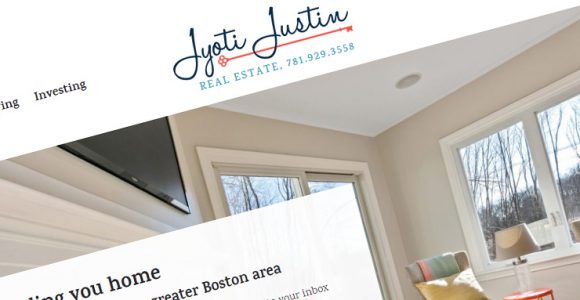
Jyoti Justin’s new WordPress website leverages automation to outsmart her competition in the real estate sphere.

We wanted Philip’s new website to highlight the tireless ingenuity of his firm, so the case studies took front and center right off the homepage.
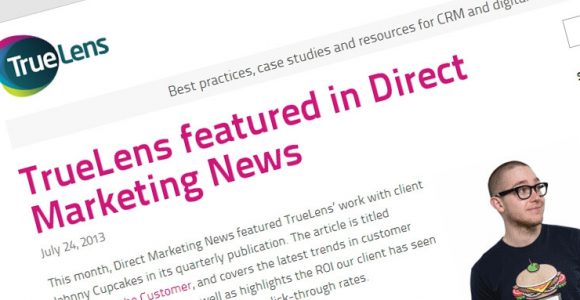
“Social behavioral marketing” brand TrueLens needed a blog to tout the benefits of its CRM platform and the power of “socialgraphics.”
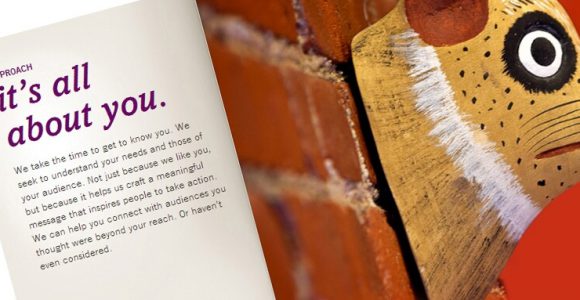
Using WordPress, I created a theme that allowed the agency’s small team to get hands-on with their portfolio content while preserving the unique layout of their website’s design.
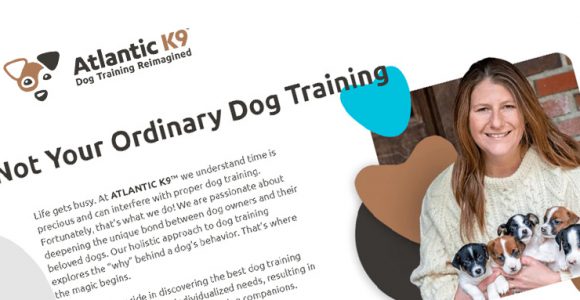
WordPress Gutenberg helps Kathleen James tackle the web in Atlantic K9’s new redesign.

Bonnie Brunner and I designed Trademark Your Company for New York-based IP lawyer John M. Trani, who wanted to sell his legal services with a series of single-page forms.

Designer Kit Casey and I worked with Karen Pelaez and Stephanie Vyce from the Harvard University Press to design a celebration website for the Press’ 100-year anniversary.
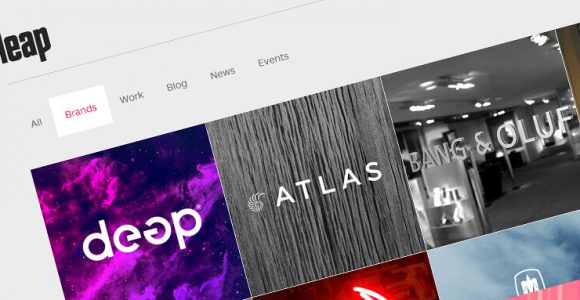
The Leap website relied on a robust, shortcode-driven templating system that allowed the agency team to construct portfolio pages with no technical expertise.
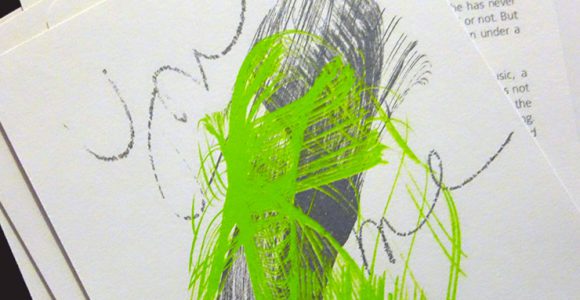
A Bad Penny Review, a quarterly literary journal that appears in print and online, published visual artist Laura Oxendine and me in the online journal’s printed 2013 anthology for our I WANT YOU NEED collaboration.
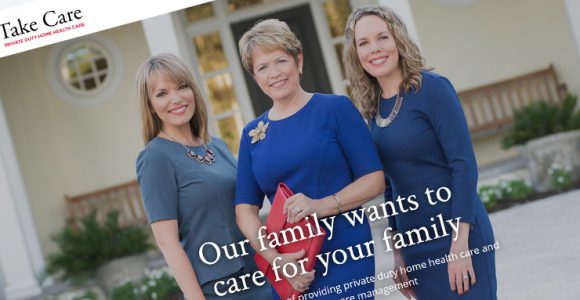
Take Care Home Health, a private duty home healthcare network headquartered in Sarasota, FL was one of my very first clients, way back in 2010.
When it comes to specialized work, hire battle-tested experts to get the job done right. I’ll build a platform that takes care of your brand, so you can get back to building your business. Don’t hesitate to get in touch. A consultation is free, and we can determine over a quick phone call if I’m a good fit for your project.
